- English
- Español
- Português
- русский
- Français
- 日本語
- Deutsch
- tiếng Việt
- Italiano
- Nederlands
- ภาษาไทย
- Polski
- 한국어
- Svenska
- magyar
- Malay
- বাংলা ভাষার
- Dansk
- Suomi
- हिन्दी
- Pilipino
- Türkçe
- Gaeilge
- العربية
- Indonesia
- Norsk
- تمل
- český
- ελληνικά
- український
- Javanese
- فارسی
- தமிழ்
- తెలుగు
- नेपाली
- Burmese
- български
- ລາວ
- Latine
- Қазақша
- Euskal
- Azərbaycan
- Slovenský jazyk
- Македонски
- Lietuvos
- Eesti Keel
- Română
- Slovenski
- मराठी
- Srpski језик

How Can Turnkey PCBA Manufacturing Service Accelerate Electronics Production and Improve Product Quality?
As electronic products become more advanced and market timelines continue to shrink, manufacturers are searching for efficient ways to streamline PCB assembly and product delivery. A professional Turnkey PCBA Manufacturing Service helps businesses reduce sourcing risks, shorten lead times, improve product consistency, and simplify supply chain management from prototype to mass production.
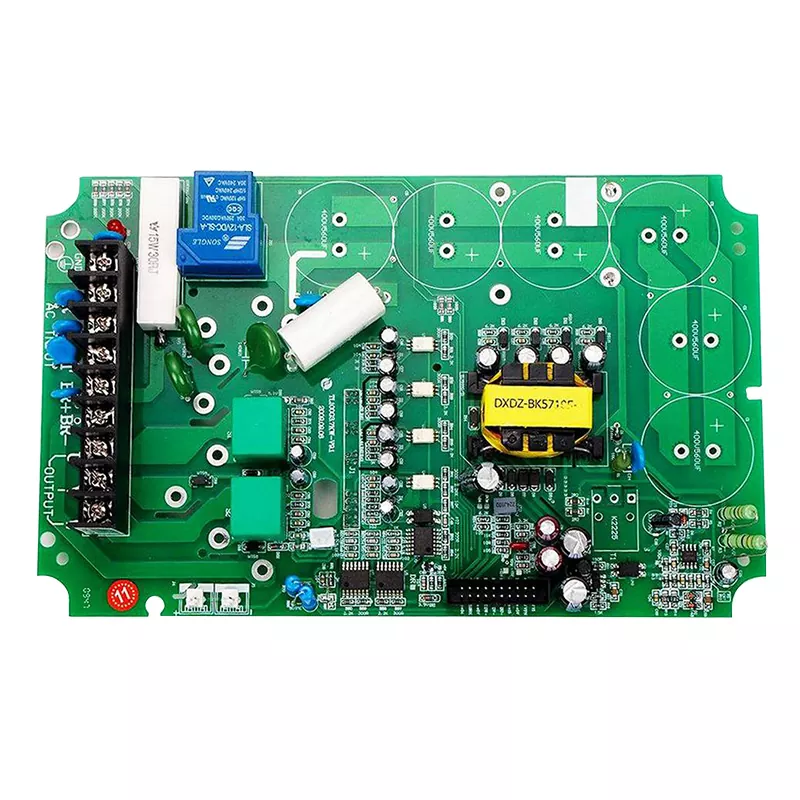
Modern electronics companies face increasing challenges including component shortages, quality inconsistencies, supplier coordination issues, rising production costs, and delayed product launches. Turnkey PCBA Manufacturing Service provides a complete solution by integrating PCB fabrication, component sourcing, assembly, testing, logistics, and technical support under one trusted partner. This article explores how turnkey PCBA services improve efficiency, reduce operational pressure, and help companies bring reliable products to market faster.
Table of Contents
- 1. What Is Turnkey PCBA Manufacturing Service?
- 2. Why Are More Companies Choosing Turnkey Solutions?
- 3. How Does the Turnkey PCBA Process Work?
- 4. What Problems Can Turnkey PCBA Solve?
- 5. What Industries Benefit Most from Turnkey PCBA?
- 6. How to Choose the Right PCBA Manufacturing Partner?
- 7. What Technologies Are Used in Advanced PCBA Production?
- 8. What Are the Key Quality Control Standards?
- 9. Turnkey PCBA vs Traditional Manufacturing
- 10. How Does Turnkey PCBA Reduce Costs?
- 11. Why Is Fast Prototyping Important?
- 12. Frequently Asked Questions
- 13. Final Thoughts
What Is Turnkey PCBA Manufacturing Service?
Turnkey PCBA Manufacturing Service refers to a comprehensive production solution where one manufacturer handles the entire printed circuit board assembly process. Instead of coordinating with multiple suppliers for PCB fabrication, electronic components, SMT assembly, DIP insertion, testing, and logistics, customers can rely on a single provider to manage everything.
This integrated approach significantly simplifies production management and improves operational efficiency. Clients only need to submit design files, BOM lists, and technical requirements, while the turnkey provider manages procurement, manufacturing, inspection, assembly, and delivery.
A complete turnkey solution typically includes PCB fabrication, component sourcing, SMT assembly, through-hole assembly, functional testing, firmware programming, packaging, and global shipping.
For startups, OEM brands, medical device companies, industrial automation providers, and consumer electronics manufacturers, turnkey services reduce complexity while ensuring higher product consistency.
Why Are More Companies Choosing Turnkey Solutions?
The electronics industry is moving faster than ever before. Product cycles are shorter, customer expectations are higher, and supply chain management has become increasingly complicated. Companies are turning to turnkey PCBA providers because they need a more reliable and centralized manufacturing process.
| Challenge | How Turnkey PCBA Helps |
|---|---|
| Multiple supplier coordination | One supplier manages the entire workflow |
| Component shortages | Professional sourcing networks improve availability |
| Long lead times | Integrated production shortens delivery schedules |
| Quality inconsistencies | Unified quality control standards improve reliability |
| Communication delays | Single-point project management improves efficiency |
Businesses also gain better cost visibility because pricing becomes more consolidated and transparent. Instead of receiving invoices from separate vendors, companies can manage procurement and production through one integrated manufacturing agreement.
How Does the Turnkey PCBA Process Work?
A professional turnkey PCBA project follows a structured production workflow designed to minimize manufacturing risks and maximize efficiency.
- Engineering file review and DFM analysis
- PCB manufacturing preparation
- Electronic component procurement
- Incoming material inspection
- SMT assembly production
- Through-hole insertion and soldering
- AOI and X-ray inspection
- Functional testing and programming
- Final inspection and packaging
- Global shipment and delivery
Each production stage is carefully monitored to ensure assembly accuracy and product consistency. Experienced manufacturers use ERP systems and MES tracking software to monitor materials, production progress, and inspection results in real time.
This process allows customers to focus on product development, marketing, and sales instead of spending valuable resources managing manufacturing logistics.
What Problems Can Turnkey PCBA Solve?
Many electronics businesses experience recurring production challenges that negatively affect delivery schedules, profitability, and customer satisfaction. Turnkey PCBA services directly address these issues.
The biggest advantage of turnkey manufacturing is risk reduction. Centralized coordination minimizes communication gaps, sourcing errors, production mismatches, and quality disputes.
Common customer pain points include:
- Difficulty sourcing genuine components
- Unexpected BOM cost increases
- PCB compatibility problems
- Assembly defects
- Delayed international logistics
- Unstable product quality
- Prototype revision delays
- Limited technical support
An experienced supplier such as Shenzhen Hi Tech Co., Ltd. can provide engineering support throughout the manufacturing lifecycle, helping customers identify potential production risks before mass manufacturing begins.
What Industries Benefit Most from Turnkey PCBA?
Turnkey PCBA Manufacturing Service supports a wide variety of industries where precision, consistency, and rapid production are critical.
| Industry | Main Application |
|---|---|
| Medical Devices | Monitoring systems, diagnostic tools, portable equipment |
| Automotive Electronics | Control modules, sensors, infotainment systems |
| Industrial Automation | PLC systems, robotics, control boards |
| Consumer Electronics | Smart devices, wearables, IoT products |
| Telecommunications | Signal processing equipment and communication modules |
| Renewable Energy | Solar controllers and battery management systems |
Industries requiring strict reliability standards especially benefit from integrated quality control systems and traceability management.
How to Choose the Right PCBA Manufacturing Partner?
Selecting the right manufacturing partner is one of the most important decisions for electronics companies. Poor supplier selection can lead to delays, quality failures, financial losses, and damaged brand reputation.
Before selecting a turnkey PCBA supplier, businesses should evaluate:
- Manufacturing experience
- Engineering capabilities
- Factory certifications
- Testing equipment
- Supply chain management systems
- Quality control standards
- Communication responsiveness
- Global shipping capability
- Prototype support speed
- Production scalability
Reliable suppliers provide transparent quotations, realistic lead times, and technical consultation during project planning. Companies should also verify whether the supplier uses original branded components and maintains strong relationships with authorized distributors.
What Technologies Are Used in Advanced PCBA Production?
Modern PCBA manufacturing relies on advanced production technologies to achieve high precision and production consistency.
Key technologies include:
- High-speed SMT placement machines
- Automated optical inspection systems
- X-ray inspection equipment
- Nitrogen reflow soldering
- Selective wave soldering
- ICT testing systems
- Functional testing platforms
- BGA rework stations
- MES production management software
Advanced manufacturing technologies improve soldering precision, reduce human error, and increase overall production efficiency. These systems are especially important for miniaturized electronics and high-density PCB designs.
What Are the Key Quality Control Standards?
Quality control is the foundation of successful PCB assembly production. A professional turnkey PCBA manufacturer follows strict inspection procedures throughout every production stage.
| Inspection Method | Purpose |
|---|---|
| AOI Inspection | Detect soldering and placement defects |
| X-ray Inspection | Inspect hidden solder joints and BGA components |
| ICT Testing | Verify electrical performance |
| Functional Testing | Validate operational performance |
| Burn-In Testing | Ensure long-term reliability |
Manufacturers serving international markets often comply with IPC standards, ISO certifications, RoHS regulations, and industry-specific compliance requirements.
Consistent testing procedures reduce field failures, improve product durability, and strengthen customer confidence in electronic products.
Turnkey PCBA vs Traditional Manufacturing
Traditional electronics manufacturing often requires companies to coordinate multiple independent vendors. This fragmented structure increases management complexity and creates communication inefficiencies.
| Factor | Traditional Model | Turnkey Model |
|---|---|---|
| Supplier Coordination | Multiple vendors | Single provider |
| Project Management | Complex | Simplified |
| Lead Time | Longer | Shorter |
| Quality Control | Separated systems | Unified management |
| Cost Efficiency | Variable | More predictable |
The turnkey model provides stronger production visibility and reduces coordination errors across the supply chain.
How Does Turnkey PCBA Reduce Costs?
Cost control is a major concern for electronics companies, especially startups and growing brands. Turnkey manufacturing helps optimize production budgets through centralized procurement and production planning.
Major cost-saving advantages include:
- Bulk component purchasing discounts
- Lower logistics management costs
- Reduced engineering errors
- Fewer production delays
- Improved production yield rates
- Lower administrative overhead
- Reduced inventory management expenses
Because turnkey providers manage sourcing and production internally, they can often negotiate better pricing and ensure more stable supply chain operations.
Why Is Fast Prototyping Important?
Speed is critical in the electronics industry. Companies that launch products faster often gain significant competitive advantages.
Fast prototyping allows businesses to:
- Validate designs earlier
- Identify engineering issues quickly
- Accelerate product development
- Reduce redesign costs
- Improve investor confidence
- Reach market opportunities faster
Professional turnkey PCBA providers can deliver rapid prototypes within short lead times while maintaining production-quality assembly standards.
Fast prototyping reduces development uncertainty and allows engineering teams to optimize products before full-scale manufacturing begins.
Frequently Asked Questions
Q1: What files are required for turnkey PCBA manufacturing?
Typical required files include Gerber files, BOM lists, pick-and-place files, assembly drawings, and testing requirements.
Q2: Can turnkey PCBA services support low-volume prototypes?
Yes. Most professional manufacturers support both low-volume prototypes and large-scale mass production.
Q3: How long does PCB assembly production usually take?
Lead times vary depending on complexity, component availability, and order quantity. Prototype production may take only a few days, while mass production can require several weeks.
Q4: How can manufacturers ensure component authenticity?
Reliable suppliers source components from authorized distributors and conduct incoming quality inspections to verify authenticity.
Q5: What testing methods are commonly used?
AOI, X-ray inspection, ICT testing, functional testing, and burn-in testing are commonly used in professional PCBA production.
Final Thoughts
Turnkey PCBA Manufacturing Service has become an essential solution for companies seeking efficient, reliable, and scalable electronics production. By integrating sourcing, assembly, testing, and logistics into a single coordinated workflow, businesses can significantly reduce production complexity while improving quality consistency and delivery performance.
As electronics products continue evolving toward higher integration and shorter development cycles, partnering with an experienced turnkey PCBA provider becomes increasingly valuable.
Whether you are developing industrial equipment, medical devices, automotive electronics, telecommunications products, or consumer smart devices, choosing the right manufacturing partner can directly impact your product success.
Shenzhen Hi Tech Co., Ltd. provides professional turnkey PCB assembly solutions including PCB fabrication, component sourcing, SMT assembly, testing, and global delivery services tailored to your project requirements.
Contact us today to discuss your next electronics manufacturing project and discover how efficient turnkey PCBA solutions can help accelerate your product success.