- English
- Español
- Português
- русский
- Français
- 日本語
- Deutsch
- tiếng Việt
- Italiano
- Nederlands
- ภาษาไทย
- Polski
- 한국어
- Svenska
- magyar
- Malay
- বাংলা ভাষার
- Dansk
- Suomi
- हिन्दी
- Pilipino
- Türkçe
- Gaeilge
- العربية
- Indonesia
- Norsk
- تمل
- český
- ελληνικά
- український
- Javanese
- فارسی
- தமிழ்
- తెలుగు
- नेपाली
- Burmese
- български
- ລາວ
- Latine
- Қазақша
- Euskal
- Azərbaycan
- Slovenský jazyk
- Македонски
- Lietuvos
- Eesti Keel
- Română
- Slovenski
- मराठी
- Srpski језик

Why Is PCBA Board Testing and Quality Control Critical for Reliable Electronics?
In today’s fast-paced electronics industry, ensuring the reliability and performance of printed circuit board assemblies (PCBA) is no longer optional—it is essential. From consumer electronics to industrial automation systems, every device depends on flawless circuit functionality. This article explores the importance of PCBA board testing and quality control, addressing common customer pain points such as product failure, inconsistent quality, and costly recalls. By understanding testing methods, quality standards, and best practices, businesses can significantly improve product reliability and customer satisfaction.
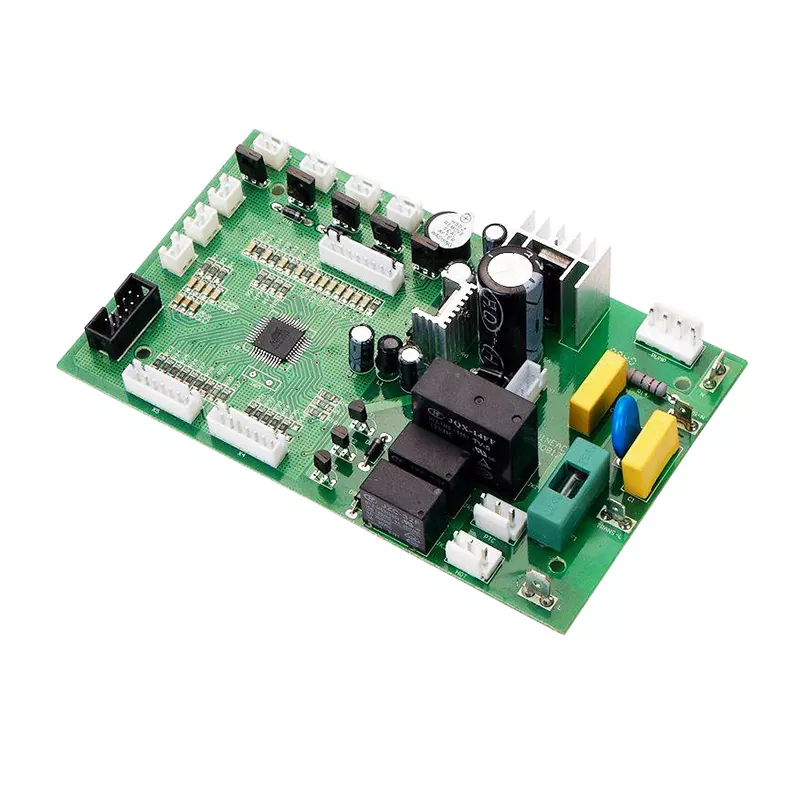
📌 Article Summary
PCBA testing and quality control are crucial steps in electronics manufacturing that ensure products meet performance, safety, and durability requirements. This guide explains various testing methods, quality assurance strategies, common defects, and how to choose a reliable manufacturing partner. Whether you are a startup or an established brand, mastering these processes can reduce risks, improve efficiency, and enhance product reputation.
📚 Table of Contents
- 1. What Is PCBA Board Testing?
- 2. Why Quality Control Matters in PCBA
- 3. Common Customer Pain Points
- 4. Types of PCBA Testing Methods
- 5. Quality Control Processes Explained
- 6. Testing vs Inspection: Key Differences
- 7. Common PCBA Defects and Solutions
- 8. Industry Standards and Compliance
- 9. Cost vs Quality: Finding the Balance
- 10. Choosing the Right PCBA Partner
- 11. Future Trends in PCBA Testing
- 12. FAQ
1. What Is PCBA Board Testing?
PCBA board testing refers to the process of verifying that a fully assembled printed circuit board performs according to its design specifications. It involves checking electrical connectivity, component placement, functionality, and overall system performance.
Testing ensures that:
- All components are correctly installed
- Electrical connections are stable
- The board functions as intended under real conditions
2. Why Quality Control Matters in PCBA
Quality control is the backbone of reliable electronics manufacturing. Without strict quality checks, even minor defects can lead to major failures.
| Aspect | Impact Without QC | Impact With QC |
|---|---|---|
| Product Reliability | Frequent failures | Stable performance |
| Customer Satisfaction | Returns and complaints | Positive reviews |
| Brand Reputation | Damage to credibility | Strong market trust |
3. Common Customer Pain Points
Many businesses face recurring issues when sourcing PCBA services:
- ❌ High defect rates after delivery
- ❌ Inconsistent batch quality
- ❌ Lack of transparency in testing processes
- ❌ Delays due to rework and failures
- ❌ Increased warranty and repair costs
These problems often stem from inadequate testing and weak quality control systems.
4. Types of PCBA Testing Methods
🔍 4.1 Automated Optical Inspection (AOI)
AOI uses cameras to detect visual defects such as missing components or soldering issues.
🔍 4.2 In-Circuit Testing (ICT)
ICT checks electrical performance and identifies faults like short circuits or open connections.
🔍 4.3 Functional Testing (FCT)
This method simulates real-world conditions to verify the board’s functionality.
🔍 4.4 X-Ray Inspection
Used for detecting hidden defects in complex boards, especially BGA components.
🔍 4.5 Flying Probe Testing
Ideal for prototypes and low-volume production, offering flexibility without custom fixtures.
5. Quality Control Processes Explained
Effective quality control involves multiple stages:
- Incoming Material Inspection – Ensures component quality
- Process Control – Monitors assembly accuracy
- Final Inspection – Verifies finished product performance
Each stage plays a vital role in minimizing defects and ensuring consistency.
6. Testing vs Inspection: Key Differences
| Criteria | Testing | Inspection |
|---|---|---|
| Purpose | Check functionality | Check appearance |
| Method | Electrical/functional | Visual/mechanical |
| Outcome | Performance validation | Defect detection |
7. Common PCBA Defects and Solutions
| Defect | Cause | Solution |
|---|---|---|
| Solder Bridges | Excess solder | Optimize soldering process |
| Cold Solder Joints | Insufficient heat | Adjust temperature profile |
| Component Misalignment | Placement error | Improve machine calibration |
8. Industry Standards and Compliance
Adhering to recognized standards ensures product quality and safety:
- IPC-A-610 (Acceptability of Electronic Assemblies)
- ISO 9001 (Quality Management Systems)
- RoHS Compliance (Environmental Safety)
Following these standards helps manufacturers meet global expectations.
9. Cost vs Quality: Finding the Balance
Cutting costs in testing may seem appealing but often leads to higher long-term expenses. Investing in proper quality control reduces:
- Product recalls
- Warranty claims
- Customer dissatisfaction
A balanced approach ensures both affordability and reliability.
10. Choosing the Right PCBA Partner
Selecting a reliable manufacturer is critical. Consider the following:
- Experience and technical expertise
- Advanced testing equipment
- Transparent quality processes
- Certifications and compliance
Shenzhen Hi Tech Co., Ltd. is known for delivering high-quality PCBA solutions with rigorous testing standards and consistent performance.
11. Future Trends in PCBA Testing
The future of PCBA testing is driven by innovation:
- AI-powered defect detection
- Automated smart factories
- Real-time monitoring systems
These advancements will further improve efficiency and accuracy in quality control.
12. FAQ
❓ What is the most important PCBA test?
Functional testing is crucial as it ensures the board operates correctly in real-world conditions.
❓ How can I reduce PCBA defects?
Implement strict quality control processes, use reliable components, and choose experienced manufacturers.
❓ Is PCBA testing expensive?
While it adds upfront cost, it significantly reduces long-term expenses caused by failures.
❓ How do I choose a PCBA supplier?
Look for certifications, testing capabilities, and proven experience in your industry.
📞 Contact Us
If you are looking for reliable, high-quality PCBA solutions, Shenzhen Hi Tech Co., Ltd. is here to help. Our advanced testing processes and strict quality control ensure your products meet the highest standards. Contact us today to discuss your project and take your electronics to the next level.