- English
- Español
- Português
- русский
- Français
- 日本語
- Deutsch
- tiếng Việt
- Italiano
- Nederlands
- ภาษาไทย
- Polski
- 한국어
- Svenska
- magyar
- Malay
- বাংলা ভাষার
- Dansk
- Suomi
- हिन्दी
- Pilipino
- Türkçe
- Gaeilge
- العربية
- Indonesia
- Norsk
- تمل
- český
- ελληνικά
- український
- Javanese
- فارسی
- தமிழ்
- తెలుగు
- नेपाली
- Burmese
- български
- ລາວ
- Latine
- Қазақша
- Euskal
- Azərbaycan
- Slovenský jazyk
- Македонски
- Lietuvos
- Eesti Keel
- Română
- Slovenski
- मराठी
- Srpski језик

What Is SMT PCB Assembly and Why Does It Matter?
Surface Mount Technology (SMT) PCB assembly is at the heart of modern electronics manufacturing. This article explores the complete SMT assembly process, common challenges, quality control strategies, and how Shenzhen Hi Tech Co., Ltd. delivers reliable PCB assembly solutions that meet customer expectations.
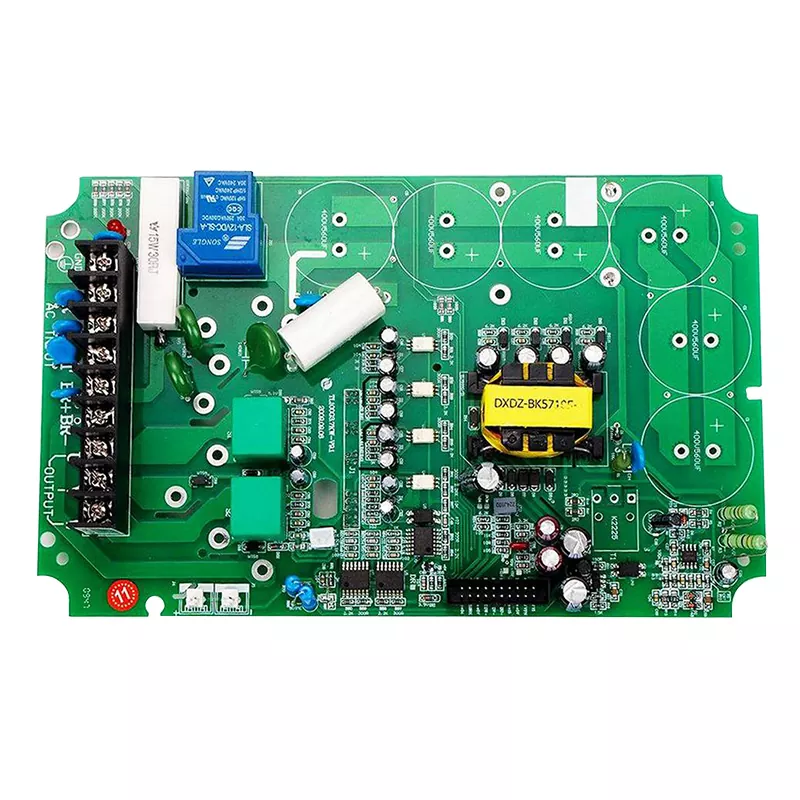
Table of Contents
- Introduction to SMT PCB Assembly
- Step-by-Step SMT PCB Assembly Process
- Key Components Used in SMT Assembly
- Advantages of SMT over Traditional Assembly
- Common SMT PCB Assembly Challenges
- Quality Control in SMT PCB Assembly
- Applications of SMT PCB Assembly
- Cost Considerations for SMT PCB Assembly
- FAQ
- Contact Shenzhen Hi Tech Co., Ltd.
Introduction to SMT PCB Assembly
SMT (Surface Mount Technology) PCB assembly is the process of mounting electronic components directly onto the surface of printed circuit boards. Unlike traditional through-hole technology, SMT allows for more compact designs and higher circuit densities, which is essential for modern devices like smartphones, IoT gadgets, and medical electronics.
Shenzhen Hi Tech Co., Ltd. specializes in providing high-quality SMT PCB assembly services, ensuring precision, reliability, and fast turnaround for clients worldwide.
Step-by-Step SMT PCB Assembly Process
- Stencil Printing: A solder paste stencil is used to apply precise amounts of solder paste onto the PCB pads.
- Component Placement: SMT pick-and-place machines accurately position components onto the solder paste.
- Reflow Soldering: The board passes through a reflow oven, melting the solder and forming reliable electrical connections.
- Inspection and Testing: Automated Optical Inspection (AOI) and X-ray inspection ensure proper placement and solder joints.
- Final Assembly & Packaging: Completed boards are cleaned, tested, and packaged for delivery.
| Process Step | Description | Equipment Used |
|---|---|---|
| Stencil Printing | Apply solder paste precisely on pads | Solder Paste Printer |
| Component Placement | Place surface-mount devices on PCB | Pick-and-Place Machine |
| Reflow Soldering | Secure components with solder | Reflow Oven |
| Inspection & Testing | Verify assembly accuracy and quality | AOI, X-ray |
| Final Assembly | Package and prepare for delivery | Cleaning & Packaging Tools |
Key Components Used in SMT Assembly
- Resistors and capacitors
- Integrated circuits (ICs)
- Transistors and diodes
- LEDs and displays
- Connectors and sockets
Shenzhen Hi Tech Co., Ltd. sources high-quality components from trusted suppliers to ensure long-term reliability.
Advantages of SMT over Traditional Assembly
- Smaller Size: Allows more compact and lightweight products.
- Higher Component Density: Supports complex circuit designs.
- Faster Production: Automated assembly reduces labor time.
- Better Performance: Shorter electrical paths reduce parasitic effects.
- Cost Efficiency: Less material and fewer drilled holes reduce PCB costs.
Common SMT PCB Assembly Challenges
- Component Misalignment: Small components may shift during placement.
- Solder Joint Defects: Cold solder, bridging, or insufficient solder can occur.
- Moisture Sensitivity: Certain components may be damaged by reflow heat.
- Design Constraints: High-density PCBs require precise layout and design consideration.
Quality Control in SMT PCB Assembly
Quality control is critical to avoid costly rework. Shenzhen Hi Tech Co., Ltd. implements multiple inspection layers:
- Automated Optical Inspection (AOI): Detects misaligned or missing components.
- X-ray Inspection: Checks hidden solder joints under BGAs and QFNs.
- Functional Testing: Confirms electrical performance before shipping.
- Statistical Process Control: Monitors assembly consistency and reliability.
Applications of SMT PCB Assembly
SMT PCB assemblies are used across various industries:
- Consumer Electronics: Smartphones, tablets, wearable devices.
- Automotive: Infotainment systems, engine control modules.
- Medical Devices: Diagnostic tools, monitoring devices.
- Industrial Automation: Sensors, controllers, robotics.
- Telecommunications: Routers, switches, networking equipment.
Cost Considerations for SMT PCB Assembly
Understanding cost drivers helps clients plan budgets effectively:
| Cost Factor | Description | Impact on Price |
|---|---|---|
| PCB Size & Complexity | Larger boards and high-density layouts increase assembly time | High |
| Component Type | Specialized ICs or BGAs may require extra handling | Medium to High |
| Quantity | Higher volumes reduce unit costs | Low to Medium |
| Testing & Inspection | Advanced inspection ensures quality but adds cost | Medium |
| Lead Time | Rush orders may increase labor and shipping costs | Medium |
FAQ
Q1: What is the difference between SMT and through-hole assembly?
SMT places components on the surface of the PCB, while through-hole assembly requires inserting component leads through drilled holes. SMT allows higher density and smaller designs.
Q2: How does Shenzhen Hi Tech Co., Ltd. ensure assembly quality?
We use AOI, X-ray inspection, functional testing, and strict process controls to maintain high-quality standards across all SMT PCB assemblies.
Q3: What is the typical lead time for SMT PCB assembly?
Depending on complexity and quantity, lead time usually ranges from 7 to 21 days. Shenzhen Hi Tech Co., Ltd. offers expedited services for urgent orders.
Q4: Can SMT assemblies handle high-frequency signals?
Yes. Proper layout and controlled impedance design in SMT PCBs can support high-frequency and high-speed applications effectively.
Contact Shenzhen Hi Tech Co., Ltd.
If you are looking for reliable, cost-effective, and high-quality SMT PCB assembly services, Shenzhen Hi Tech Co., Ltd. is your trusted partner. From prototype to mass production, we ensure every PCB meets your expectations with precision and efficiency.
Ready to get started? Contact us today and discuss your SMT PCB assembly needs!